






















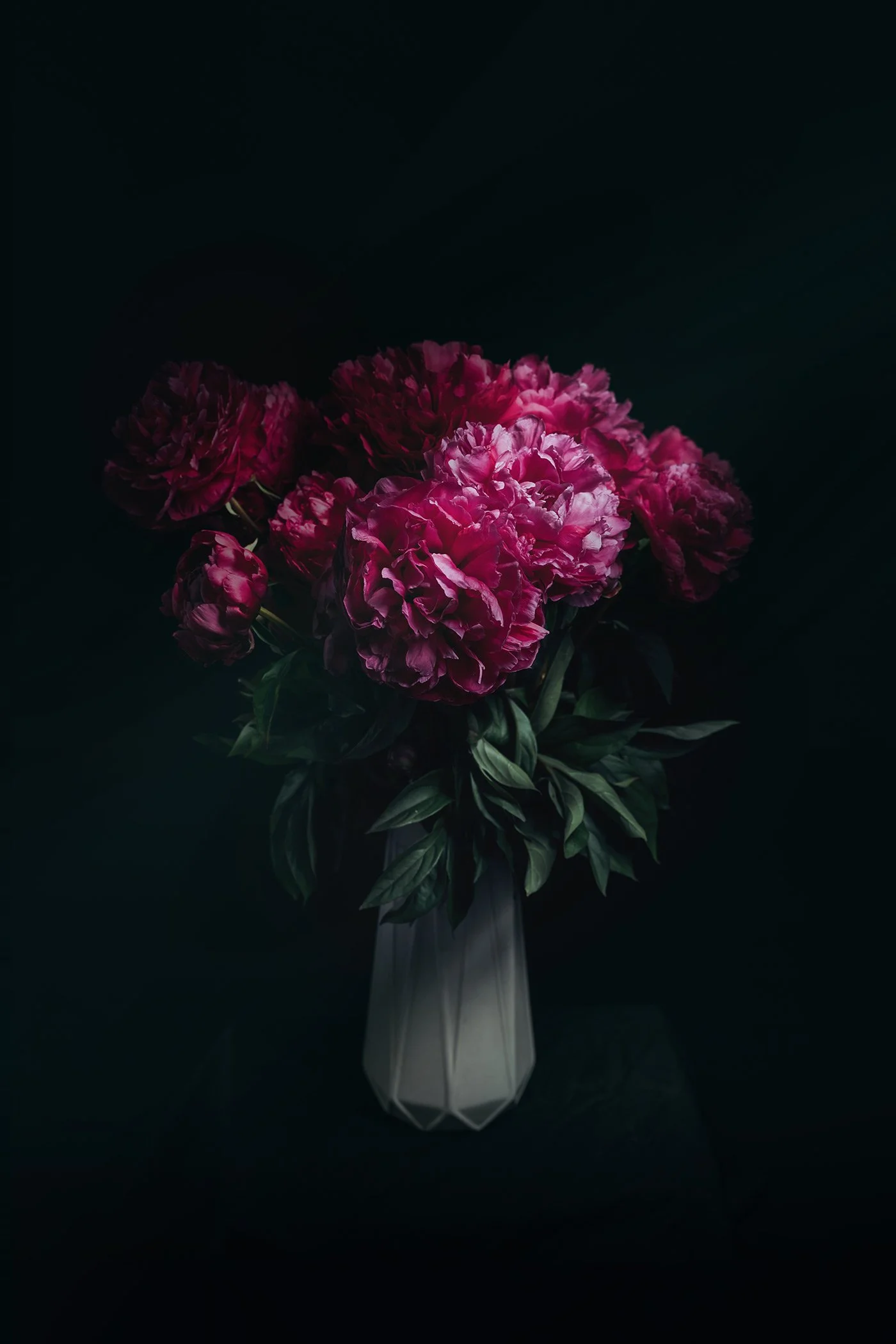


Professional photography and video services
Professional photography and video services including Portrait Photography, Brand photography, Corporate photography, Event photography, Product photography, Food photography...
And much more.
Yorkshire photographer working in Leeds, Bradford, Manchester and London. I’m available to work wherever you need me to be.
As a photographer and now also a video creator, it’s ALL about the quality of work. To create something visually dramatic, perhaps emotive alongside those key essentials to make sure the photograph or video is doing and saying the right thing for the brief. Whether it’s a corporate headshot, brand photoshoot or a sports kit needing to be photographed, my attention to the important details never wavers. My standards for quality production are as high as can be and you will only ever get photography or video content that I am proud to give to you.
See below a mixture of the projects I have enjoyed crafting in the last few months and years. Let me know how I can help you?
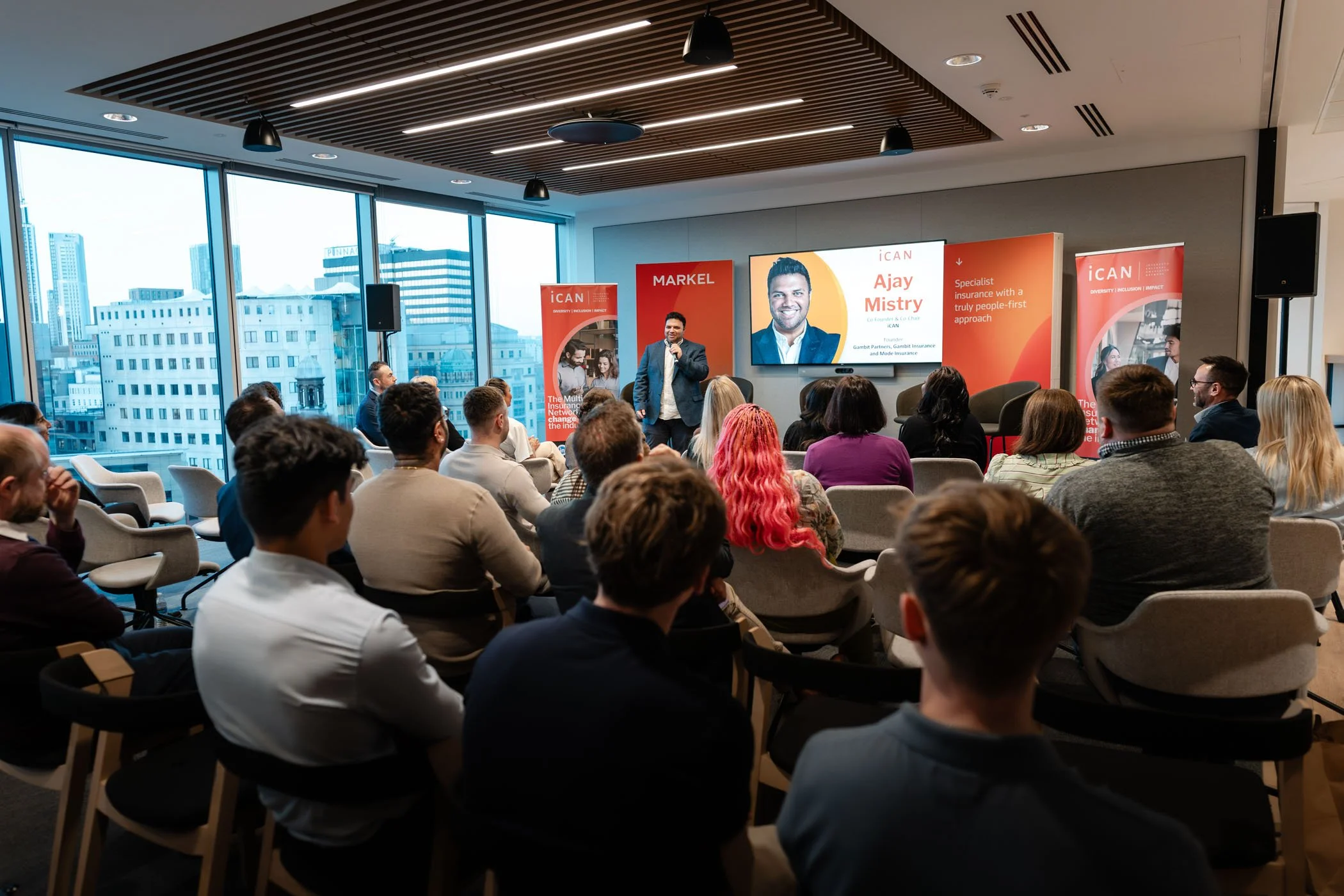
Corporate Event Photographer Leeds
Event photography can be as simple as:
One quick email to be briefed on what you need.
A quick check a few days before the event, to confirm all is as planned.
The day after the event, you receive all photography, high resolution, online versions, to download immediately!
It couldn’t be any simpler to get you some great content.
If you require a quick friendly chat and a quote, drop me a line and I’ll get back to you in 24hrs. Video content also available if you require.
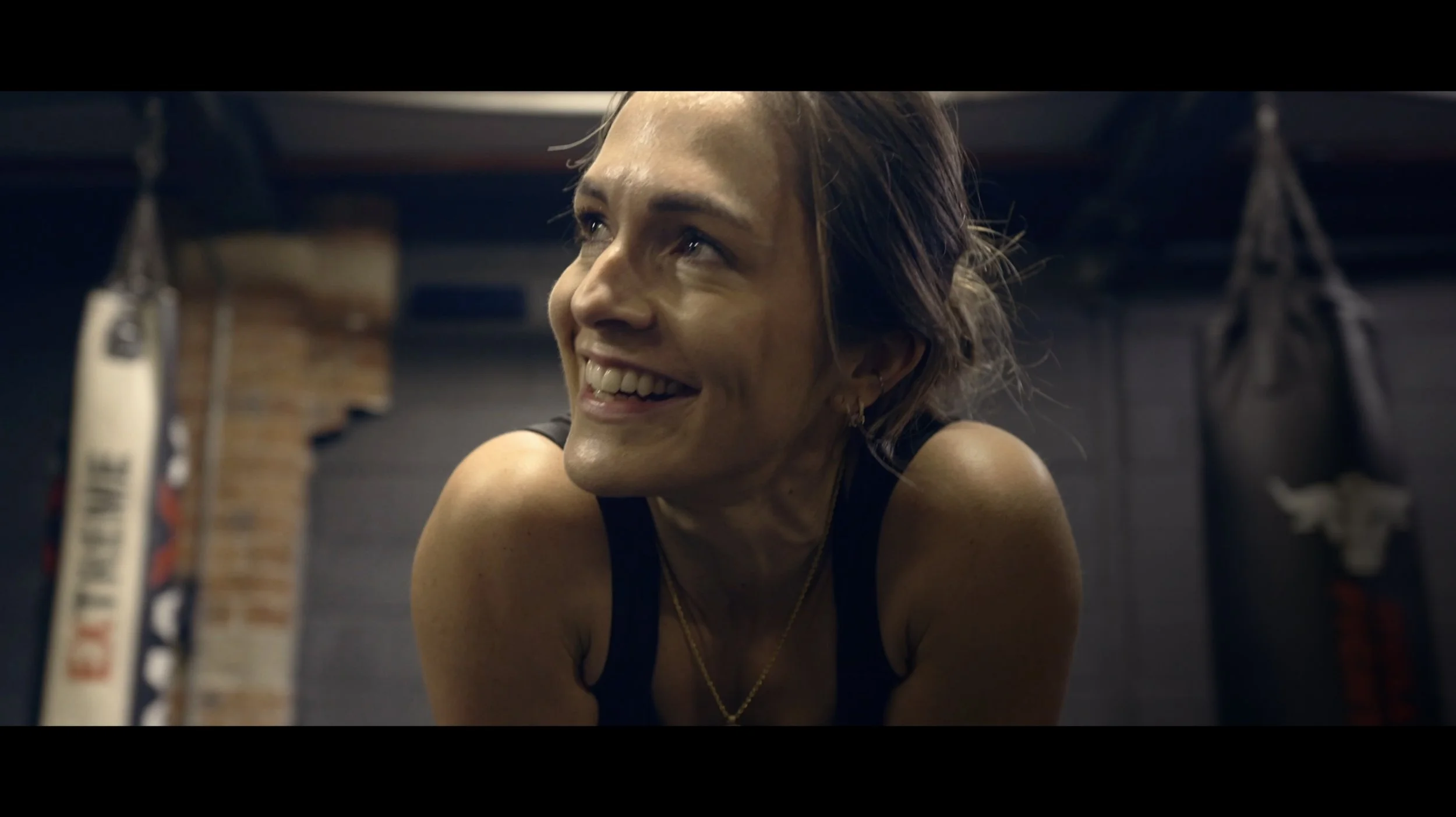
Cinematic gym promo video
Great project to work on with Daley, a personal trainer in the north of England. Capturing how he helps his clients, showing his dedication to creating an environment they can improve their fitness and health with his tuition and support. I came up with visual ideas, agreed them with Daley and took them into the gym. I walked everyone through the process of capturing all the activities and how to perform, making the video look and feel powerful and still realistic. The models are local to the gym and not professionals. Thank you to them both and Daley for trusting the process to create an impactful tool for his company. Photography was also supplied during the day.
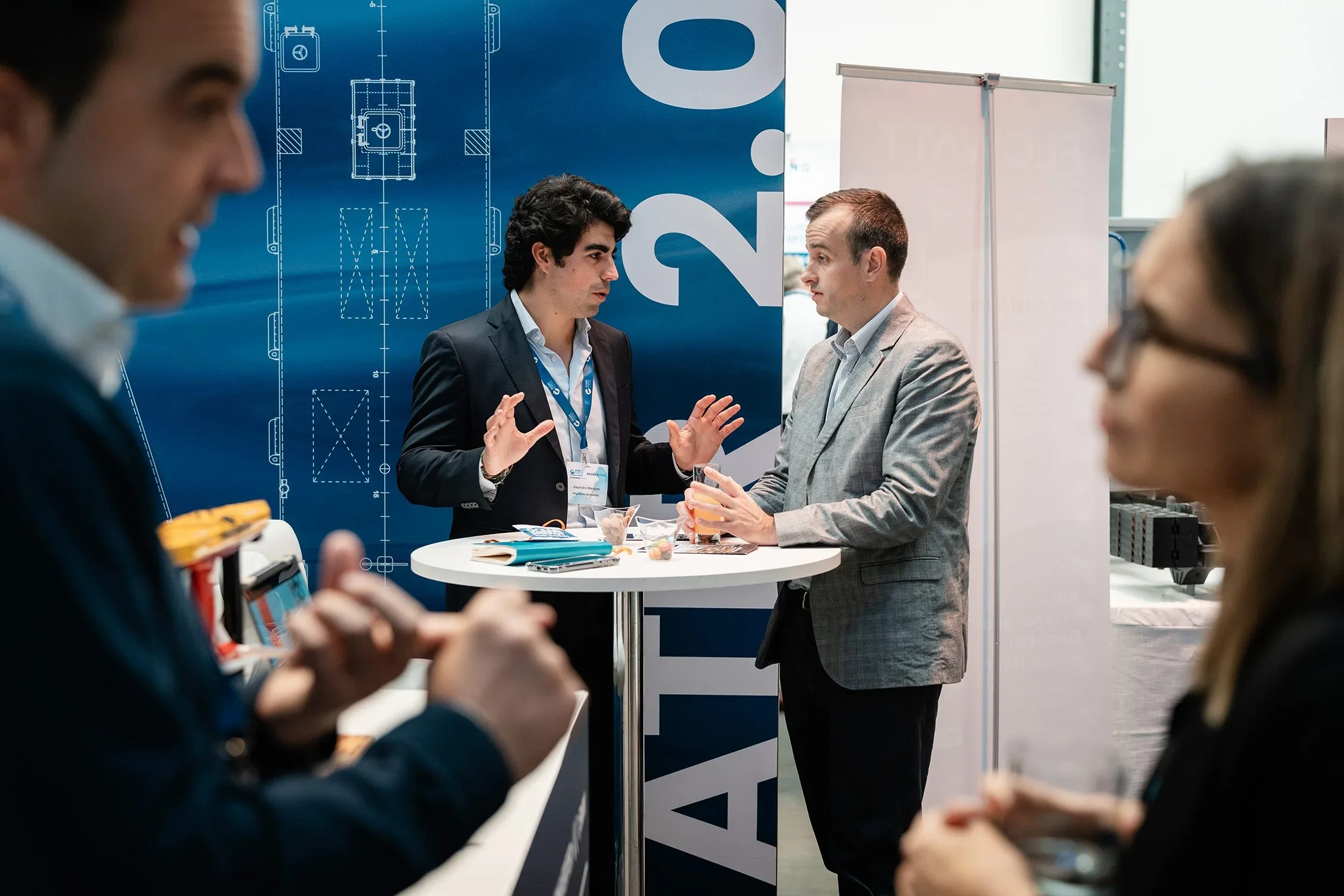
Event photography for Ocean Energy Europe
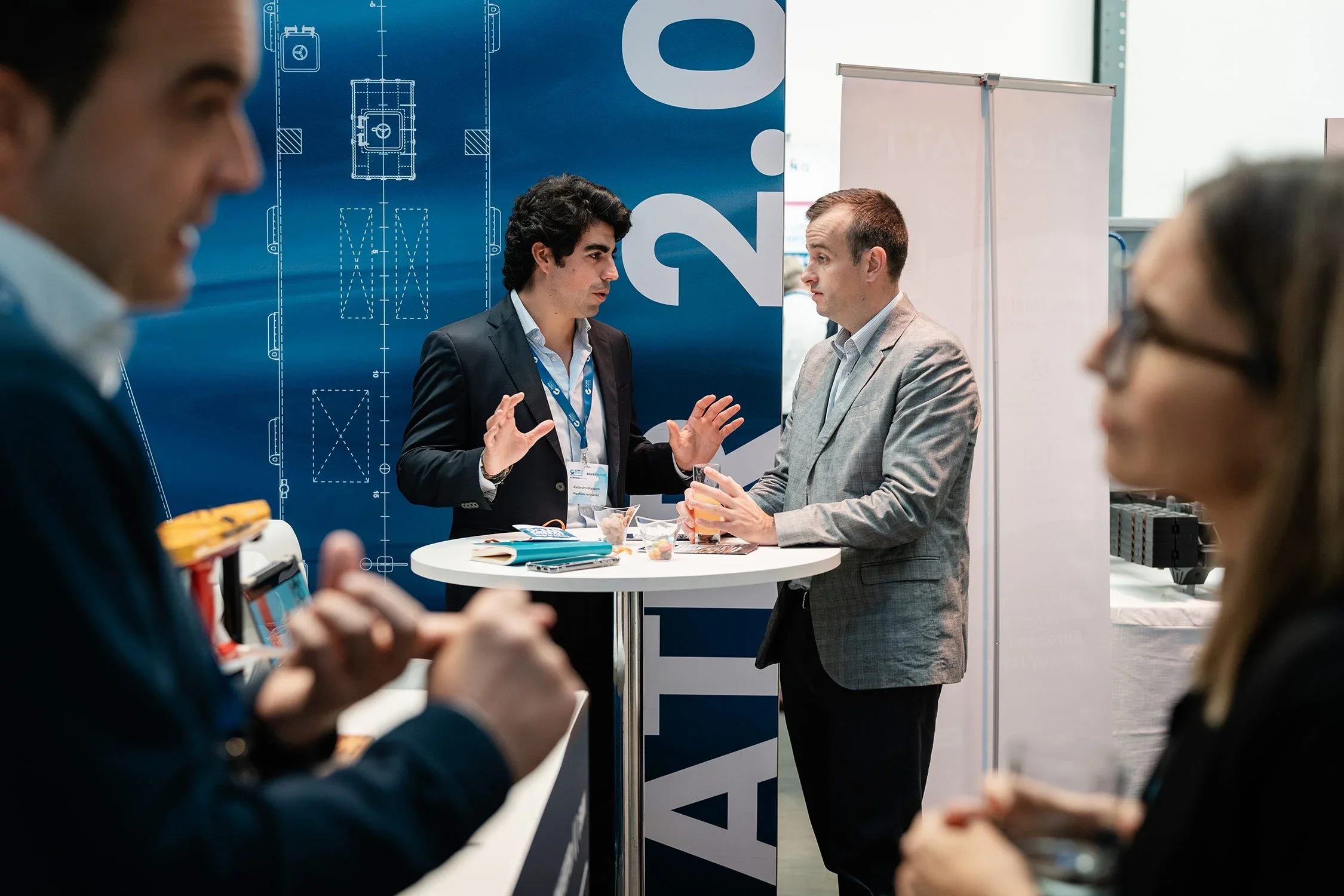
The key to good event photography is to capture all the little things that tell the story about the whole event. Photographing how people interact during their time at the event and the infinite little moments throughout. While doing so, to try be the fly on the wall, allowing them to interact without knowing I was there and the moment has been saved. Perhaps, to give anyone looking at the images after, the feeling they were there too. Perhaps...
My job is to watch and release the shutter to capture all the silly moments, people being surprised, shocked or in deep thought. The hard sells conducted and the inquiring minds watching on. I took many shots for this event, and gave my client more than they expected. I always do. They are a great client and one I've worked with for many years now, travelling around Europe for them.
I look forward once again to this years event...
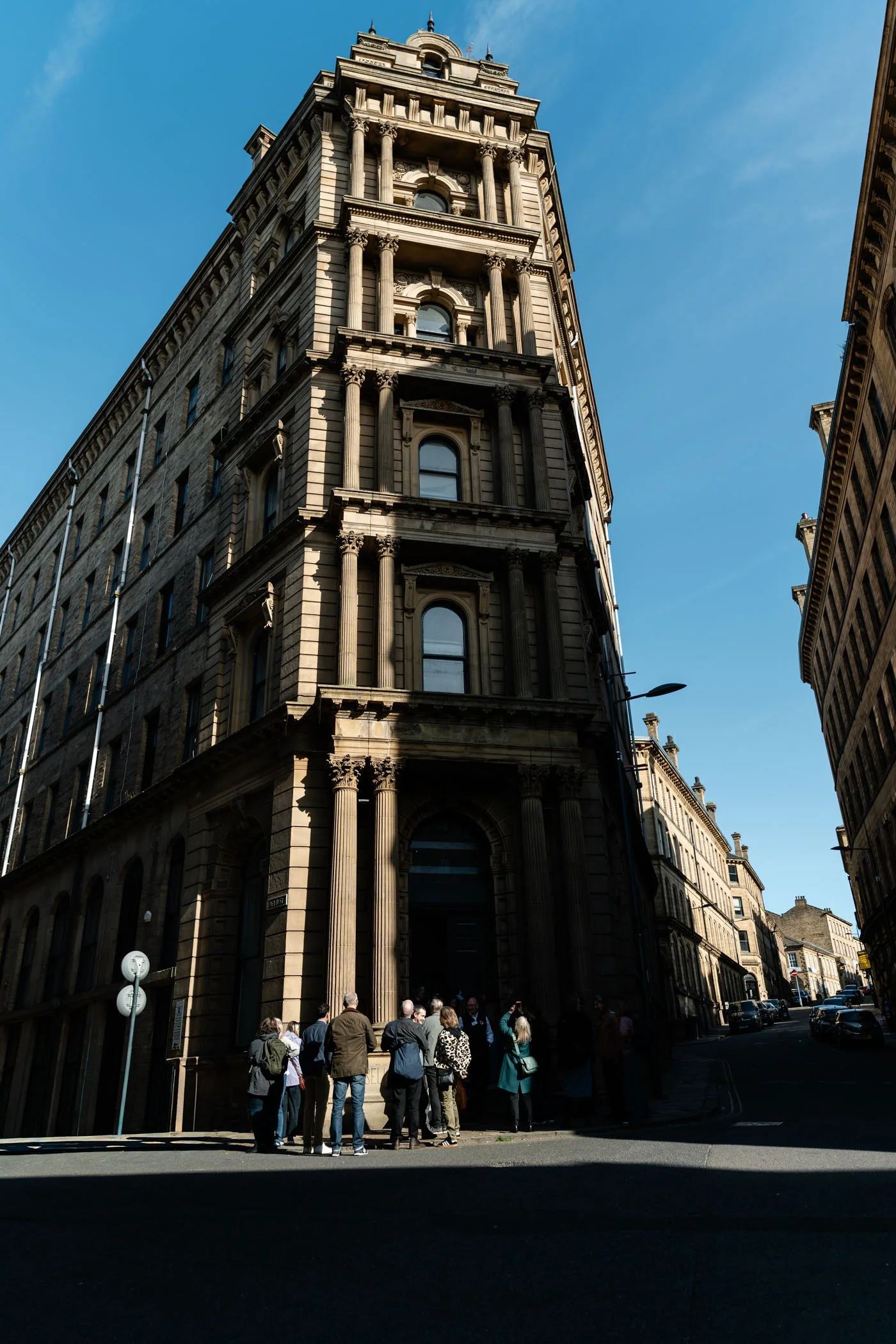
Event photography for Heritage Network
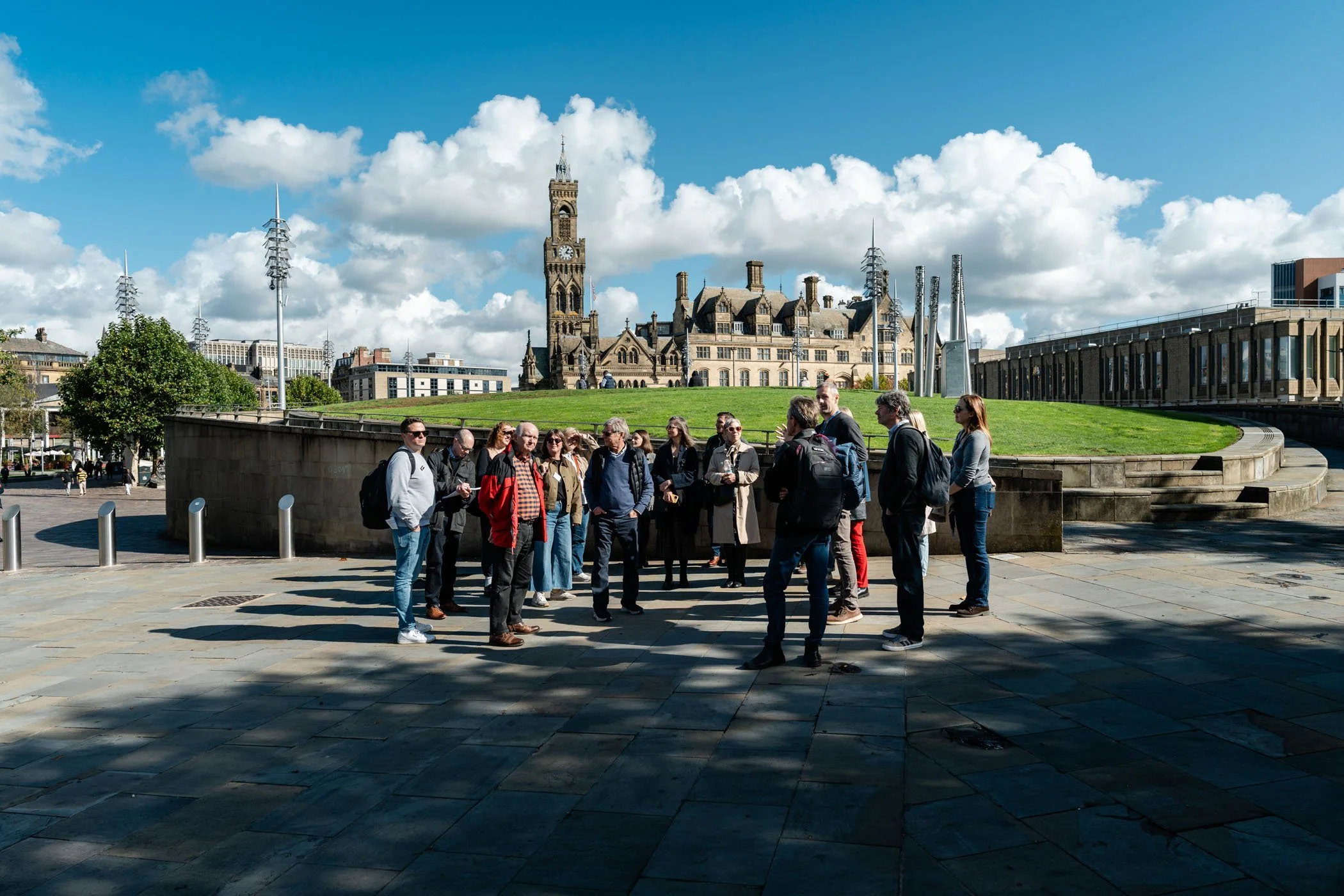
It was my pleasure to be invited to work with the Heritage Network, to photograph their annual networking conference, visiting various locations and buildings around Bradford. I spent 4 days with the delegates, walking from site to site around the city, attending workshops, talks etc. and capturing their experience along the way. It was great to learn things about the city as I worked. The weather wasn’t bad either!
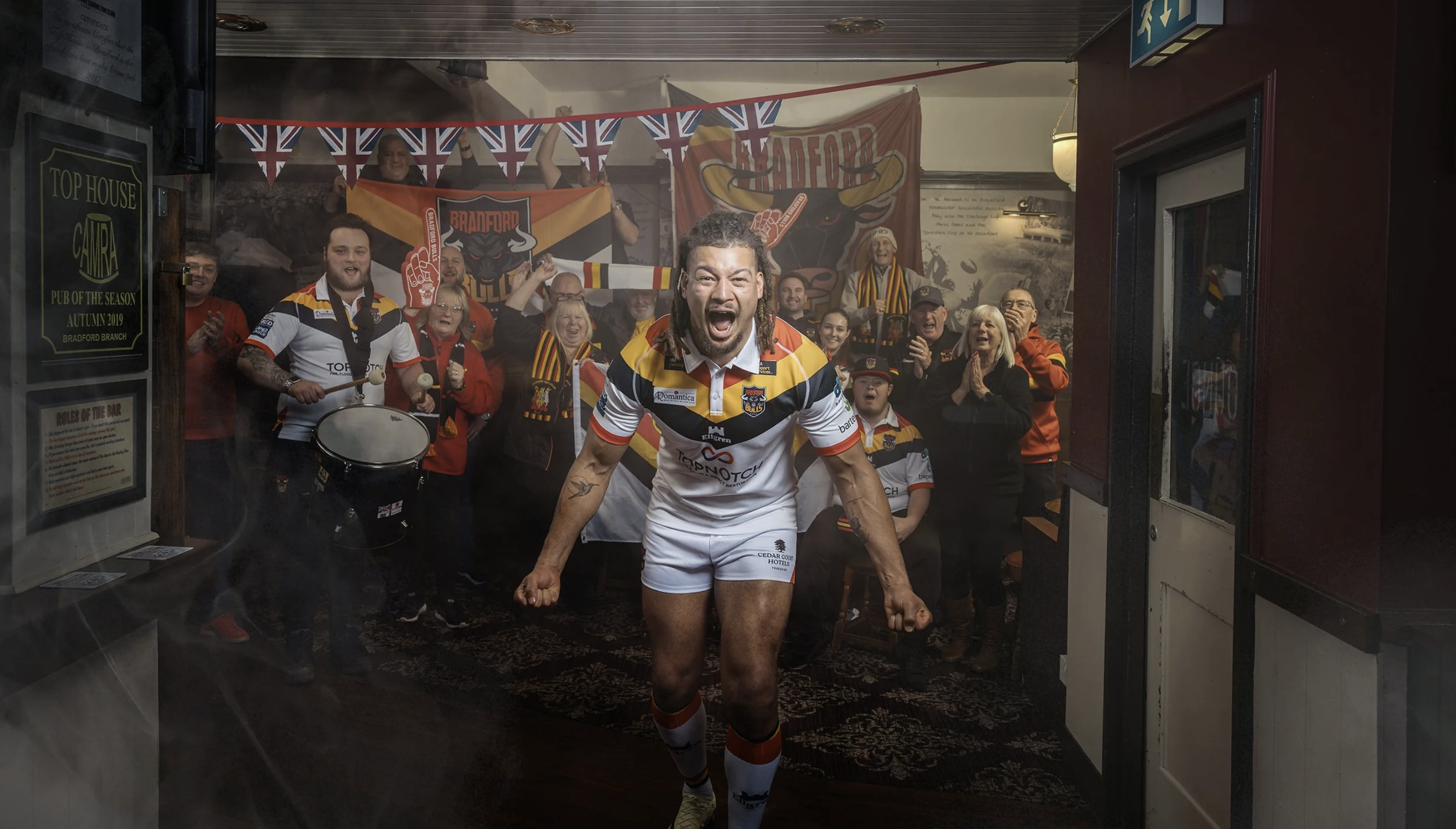
PR photography for Bradford Bulls
It's nice building relationships with agencies who have clients who need photography. I'm used as and when needed and relied on to get a brief at short notice, come up with some great ideas and of course, deliver.
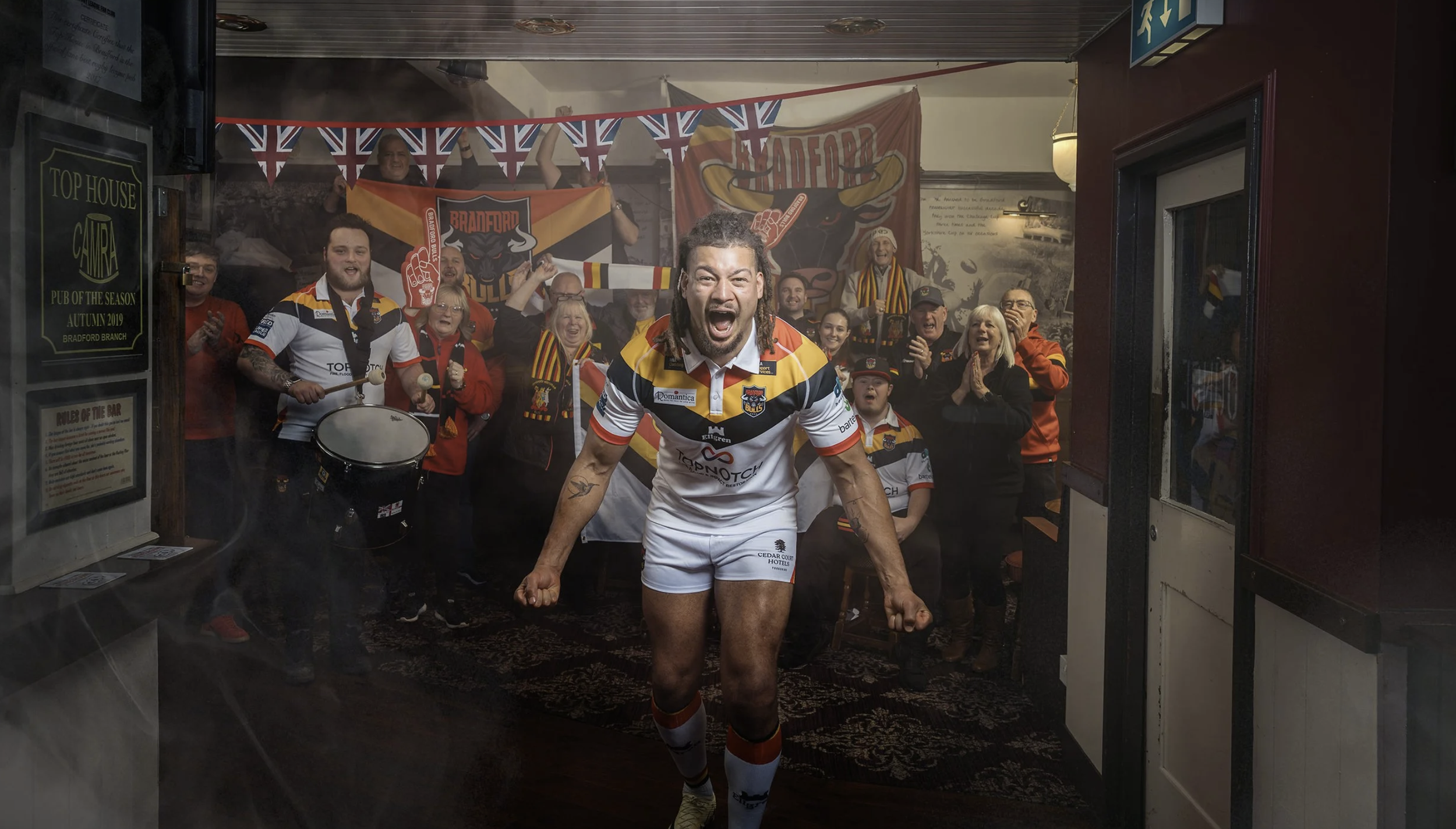
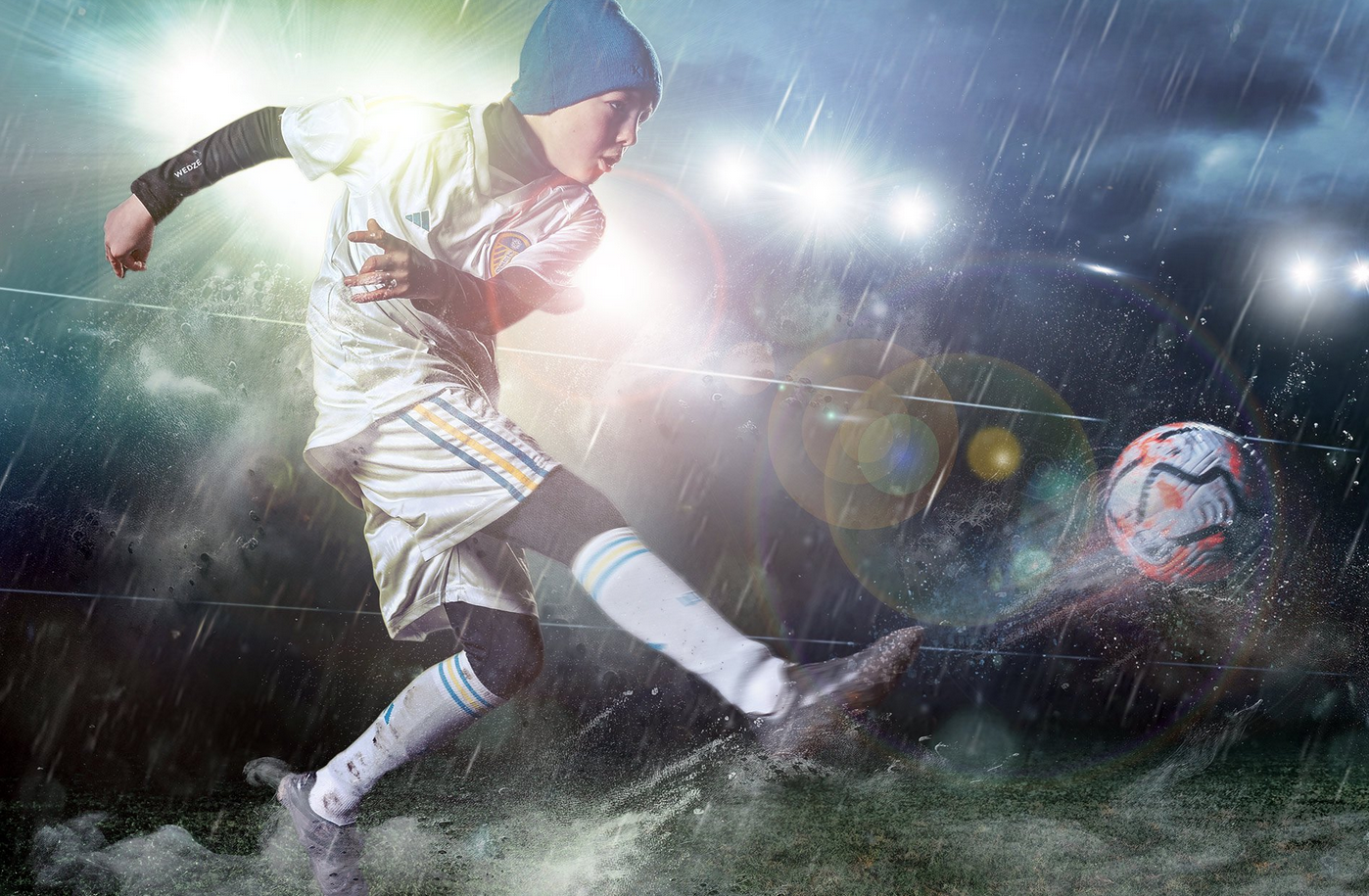
The beginning of the new season fast approached and a return to top flight rugby for the local team. New kit photography was needed and to show a strong narrative saying 'We're back!!!'. The photography had to show a confidence and swagger from the team. To also build upon a strong local community spirit and engagement. It took a couple of shoots for the home and away kit. Some taken in fan bars and partly one session inside a bus. On the shoot days we had a few of the players turn up to play their parts, look mean and look ready for the season ahead, and we invited a tonne of fans to create atmosphere in the background. A couple of days before the shoot, I went to the first location, sussed out the look and feel I wanted to create and what I'd need to bring with me on the day. To take the look to the next level, I purchased a small smoke machine to build up a texture in the atmosphere. The rest, well... we built up the space to fit the vision, I geed the fans to a frenzy, to sing terrace songs, wave their flags, banging drums etc then got the players to stand in front of them and look as mean as possible.
Good luck guys on the new season!
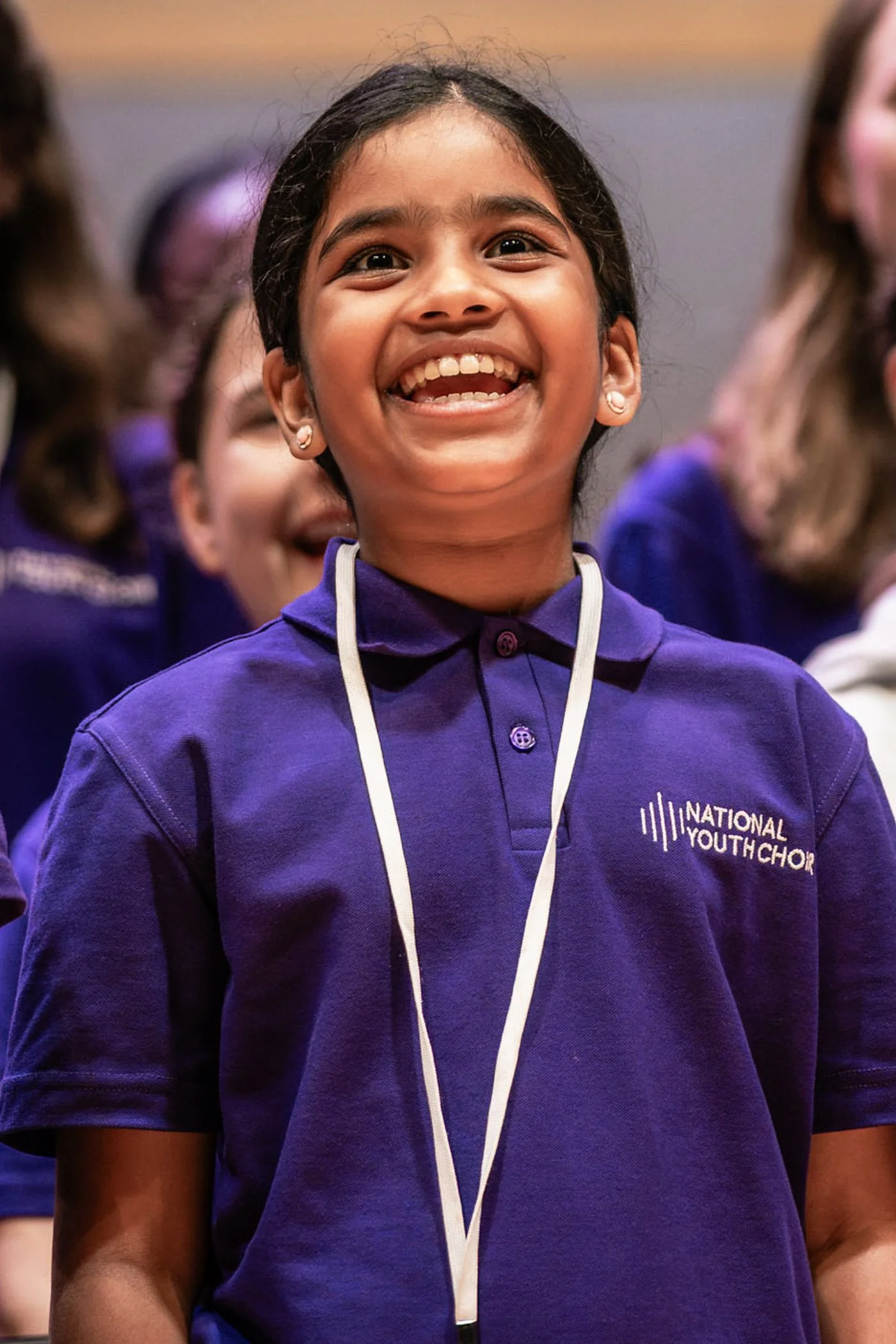
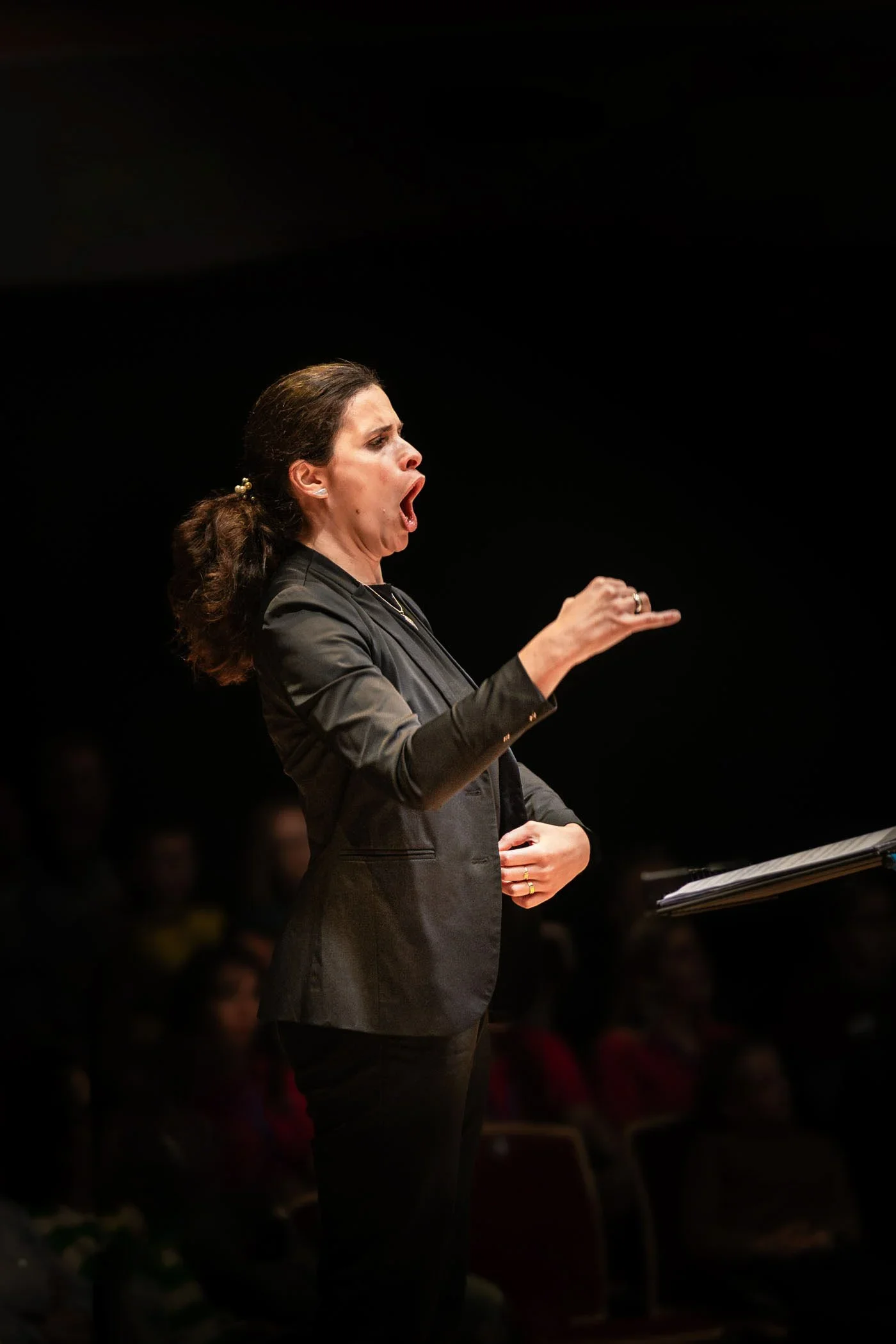
Event photography for National Youth Choir
I’ve had the pleasure to work with The National Youth Choir now for quite a while and every time is a real joy to my ears as I work. Don’t tell them that though, they may want to reduce my pay :)
Its great working around these talented 9-15 year olds and I work around them with a respectful and sensitive approach, enabling me to blend into the background, capture moments as they do what they do.
It’s also great to have future work planned with them, coming up in the next few months. We have a great working relationship together and they trust that I turn up, do a good job and send them back many images for them to use online and for print. No fuss, dramas or panics, just professional attitude to the projects and delivering each time.
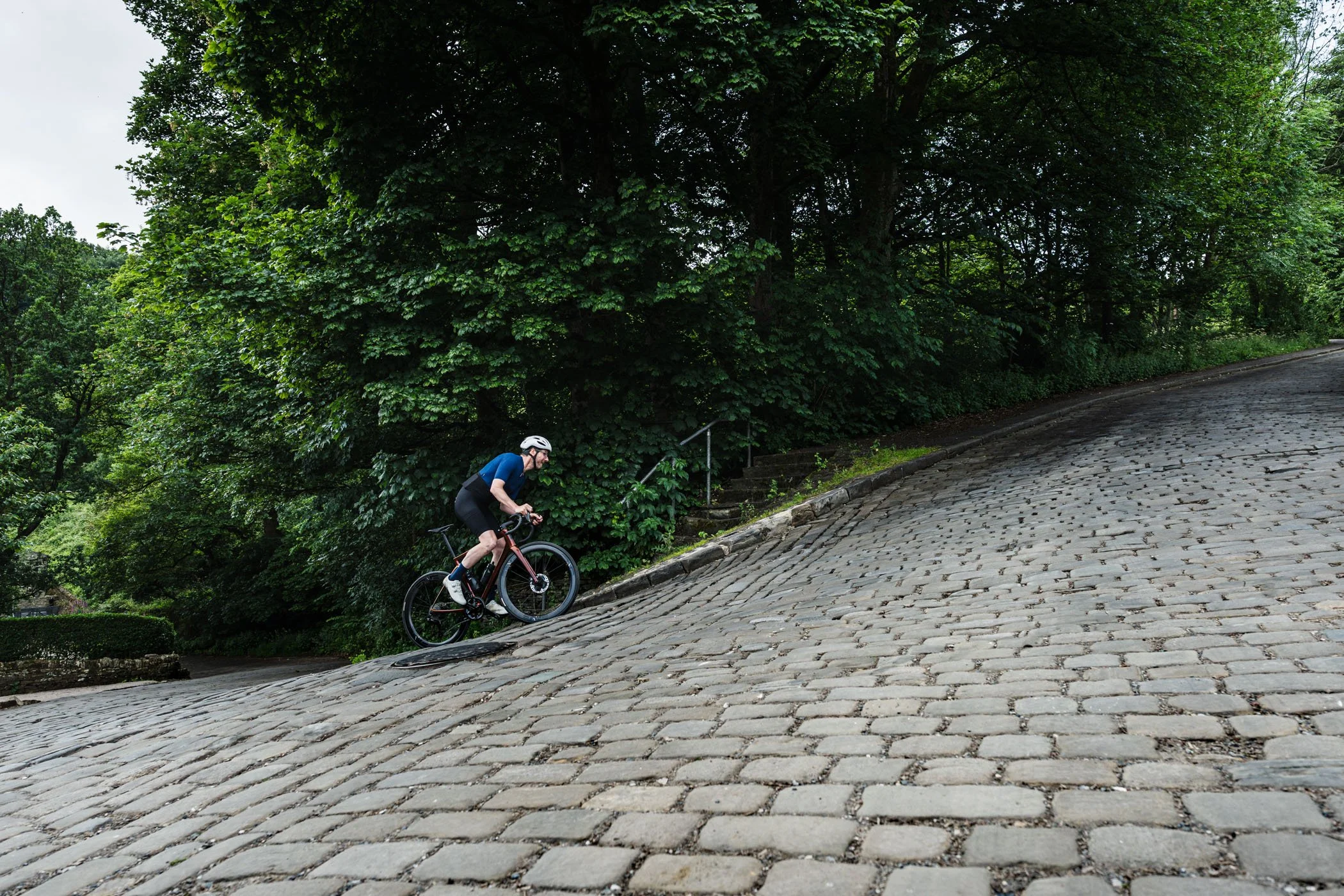
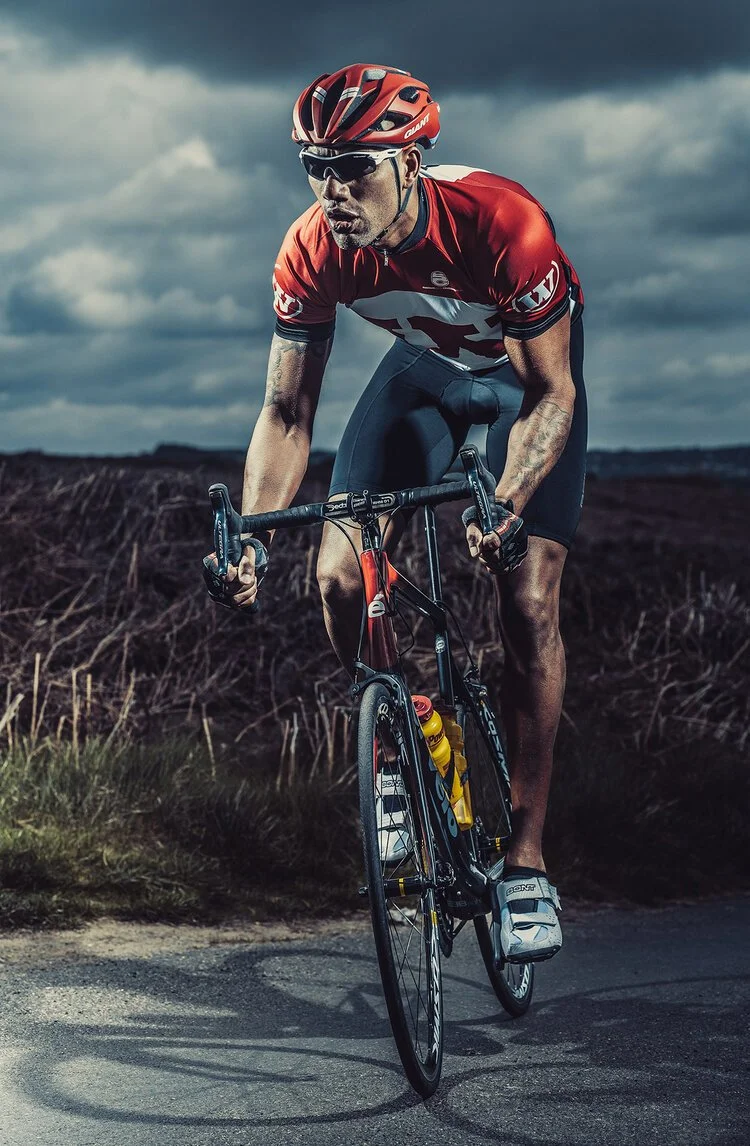
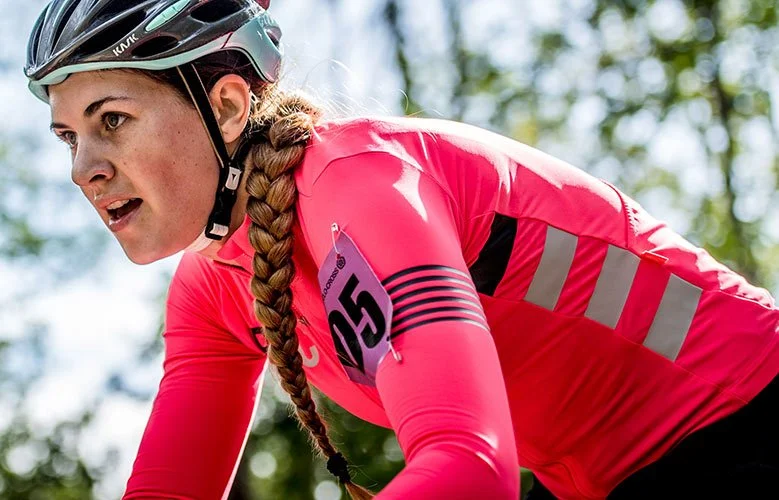
Cyclist magazine photoshoots
Interesting, challenging and above all, a very tiring job, following cyclists as they took on the biggest, hardest climbs in the region. The magazine wanted to add to their list of climb reviews and it was my role to capture what the experience of the rides was like. Each and every terrible climb.(insert tired tears here!!!). I always like to be prepared, best way to not fail I think. So for some of the climbs, I actually went to the locations and picked out the best spots to capture the riders as would pass on the day. Those locations I didn’t visit beforehand, I checked them out on Google maps and created print outs for reference on the shoot days. Packed with protein bars a plenty in my rucksack, I spent half and full days stomping up and down each climb, composing the shots as the riders passed.
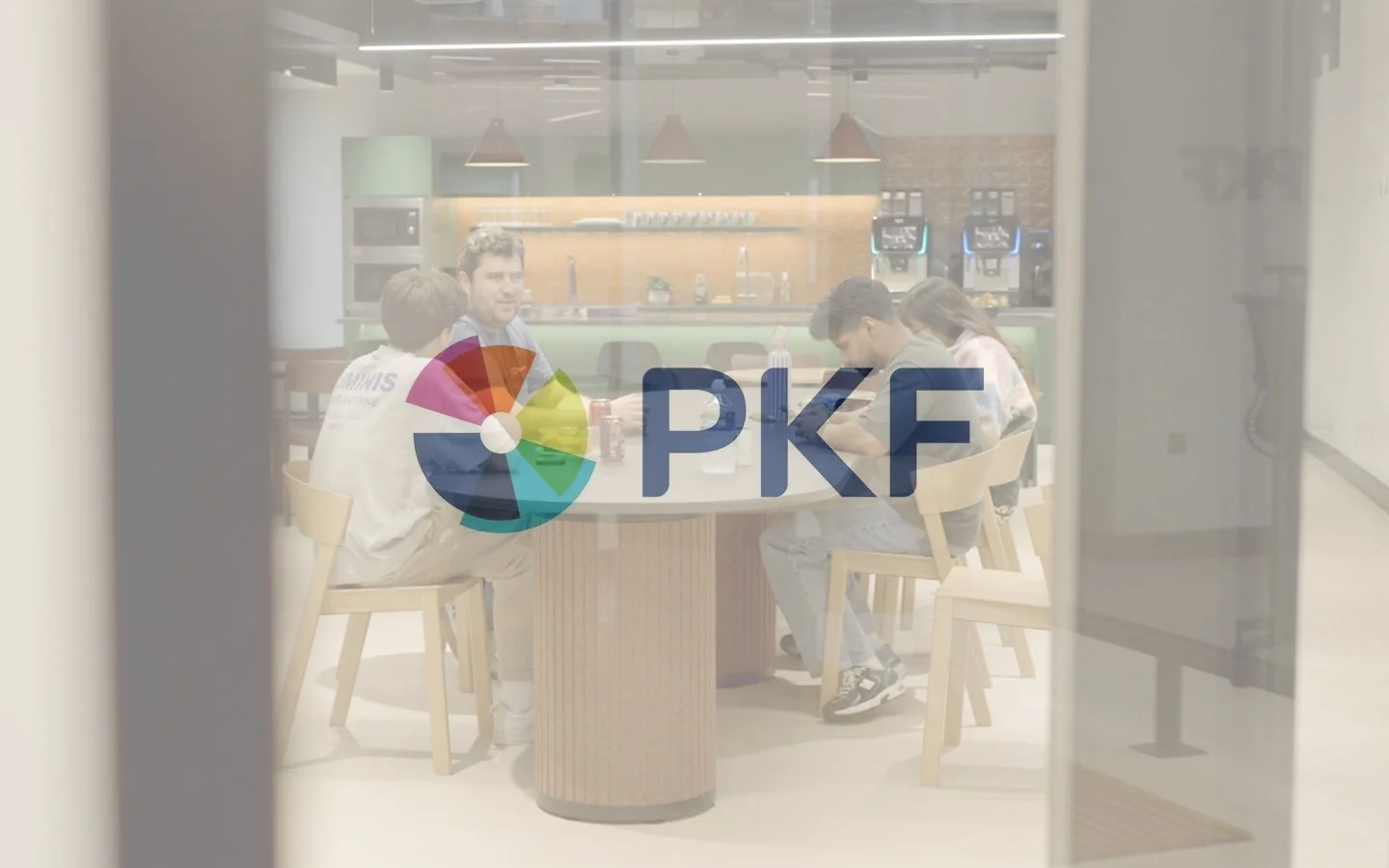
Corporate video Leeds
Corporate video Leeds UK
My client asked me to put a quick video together for their new branch in Leeds, showing the lovely new office space and the day to day life of what goes on there. The office wasn't quite as full as expected so I got creative with camera angles, movements etc to create a fresh looking video they could use in-house.
I arrived at 10am, finished around 3pm and delivered them the finished video one week later, to which they were very pleased.
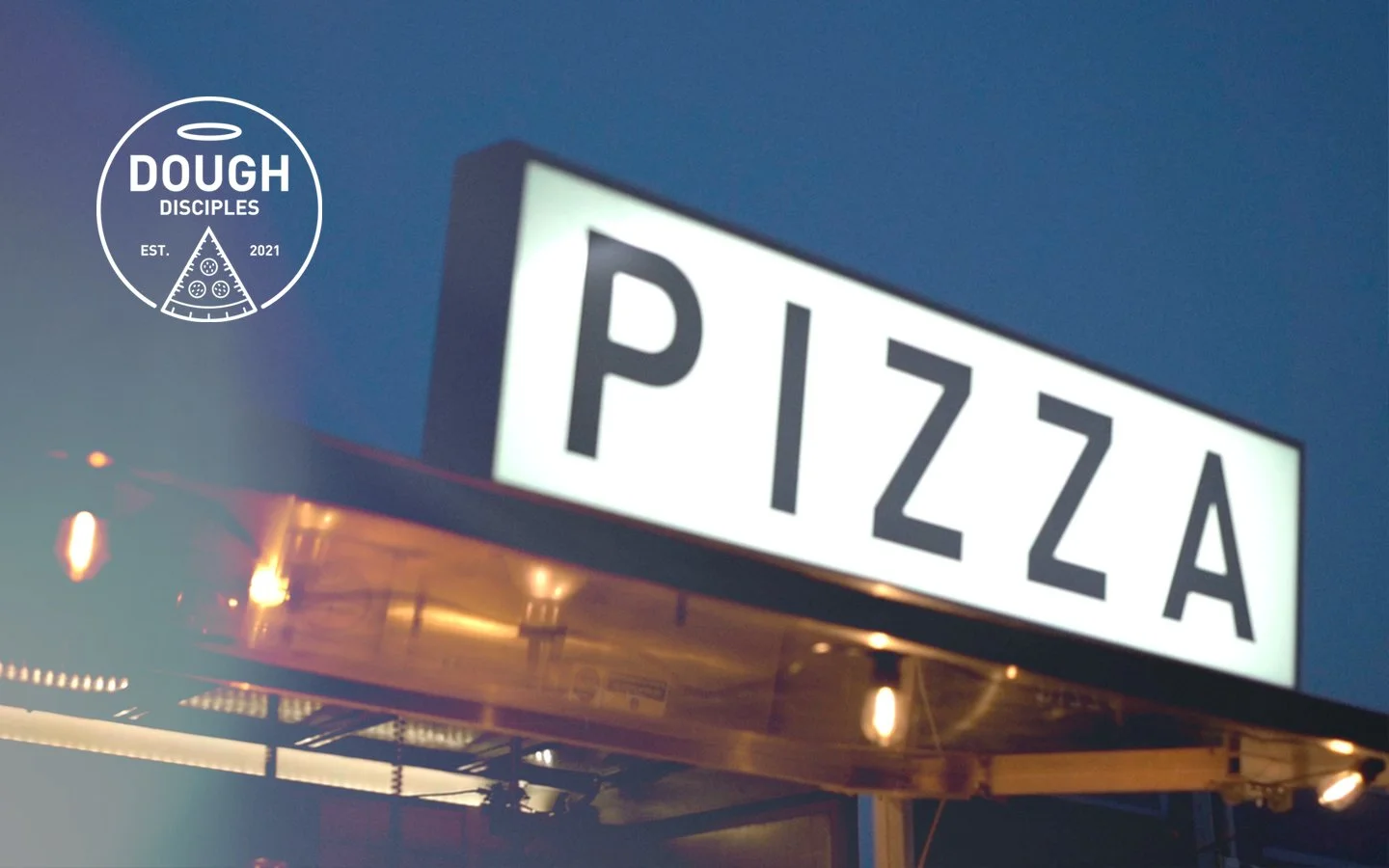
Promo video for mobile pizza business
I've worked with The team at Dough Disciples on many photo and video projects. We know what is needed from each other to create great content. Paul wanted to capture an event, showing a typical day in the life of what they do really well and gladly, a lovely summers evening was a welcome scenario.

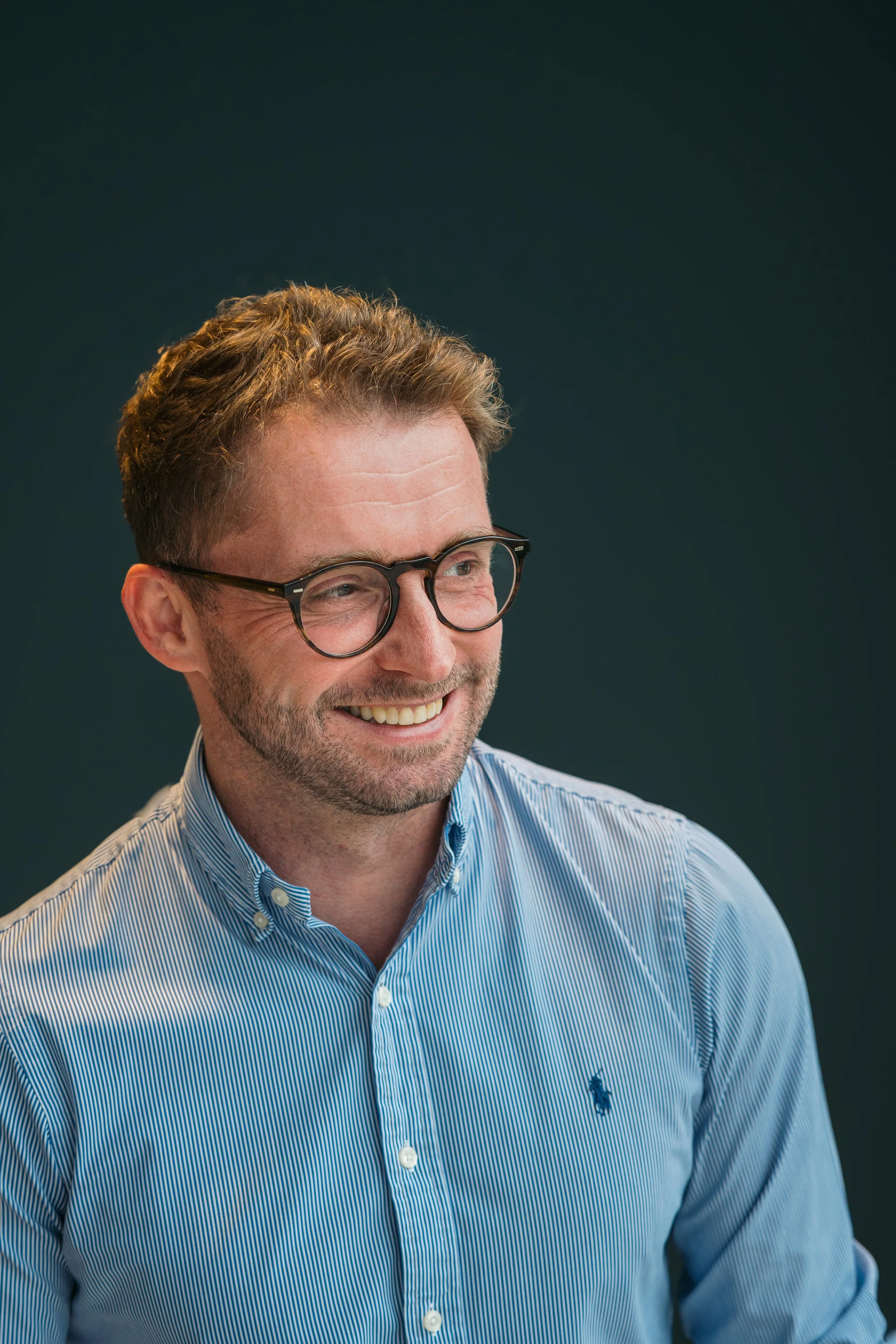
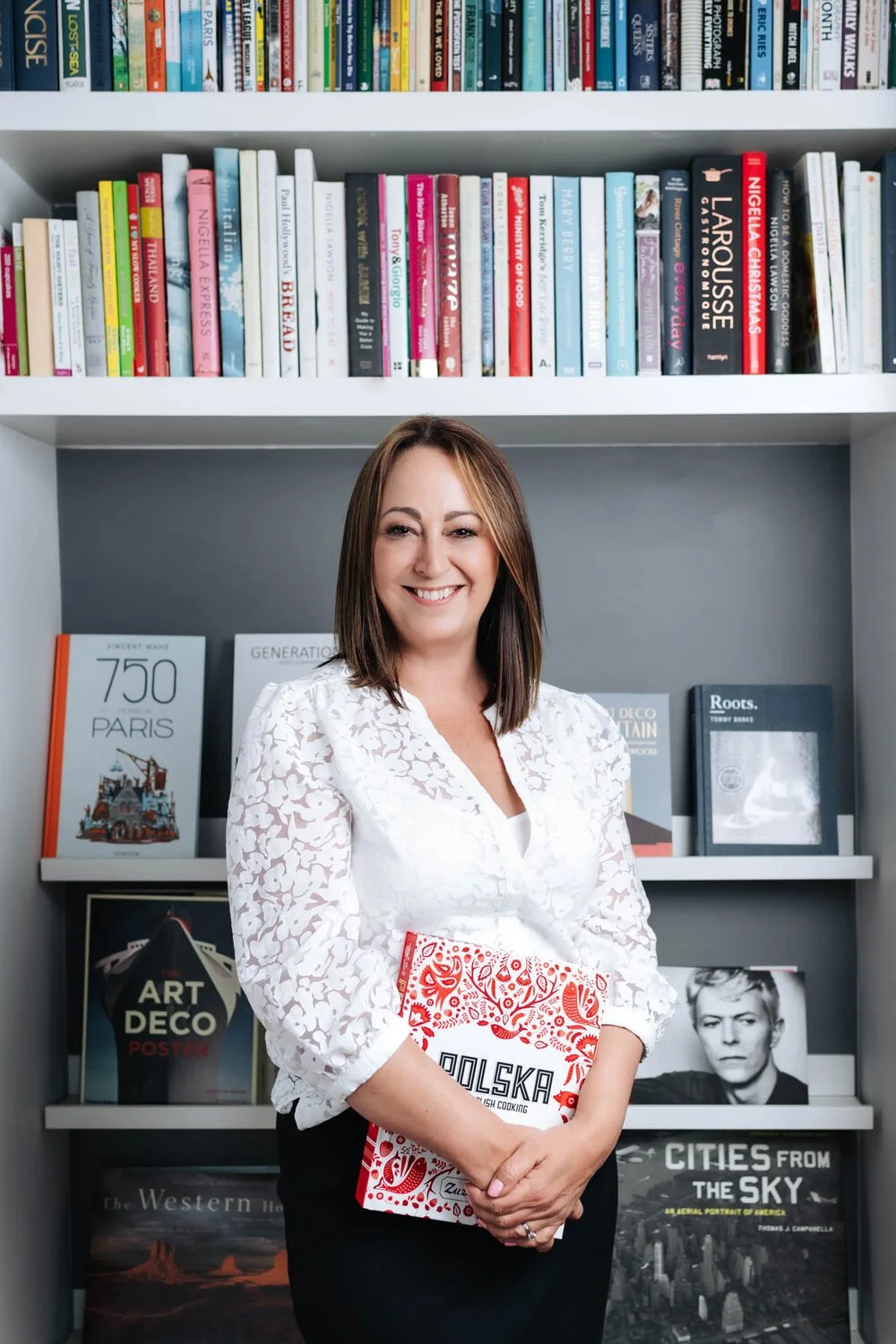
Corporate headshot photography
Making corporate photography quick and painless.
What makes a good photographer
Ok, so you are a professional photographer, it should go without saying you can take quality photographs. Once you get past that, what then really counts?
This particular job was for a local underwriting company. 4 new members of staff to be photographed in the same style as their current website images. Looking at the style of the photography, it wasn't a huge challenge lighting wise but to replicate, so the images matched seamlessly with the others, took a little pre thinking. Honestly, most of the time if there's a project that needs a little more thought, I head to my small garden photo studio and have a quick practice. There I can rehearse so when I turn up at the clients office, I know where to put the lights and all sort all the camera settings quickly. Sometimes of course issues crop up. The space isn't big enough is a usual factor, but with experience, quick solutions can be sorted and the client is no wiser you just solved a big problem. I always turn up with more things than needed, spare this, additional that. You just don't know but good to prepare...
So, if you are in need of some fresh images for your team or additional shots for your current look and feel and need someone to turn up, do a good job and leave with no issues, give me a call. I'm always happy to speak to a client and explain how things could work for their setup and reassure them, it won't disrupt their busy day.

Female bodybuilder photography
Gritty bodybuilder photography
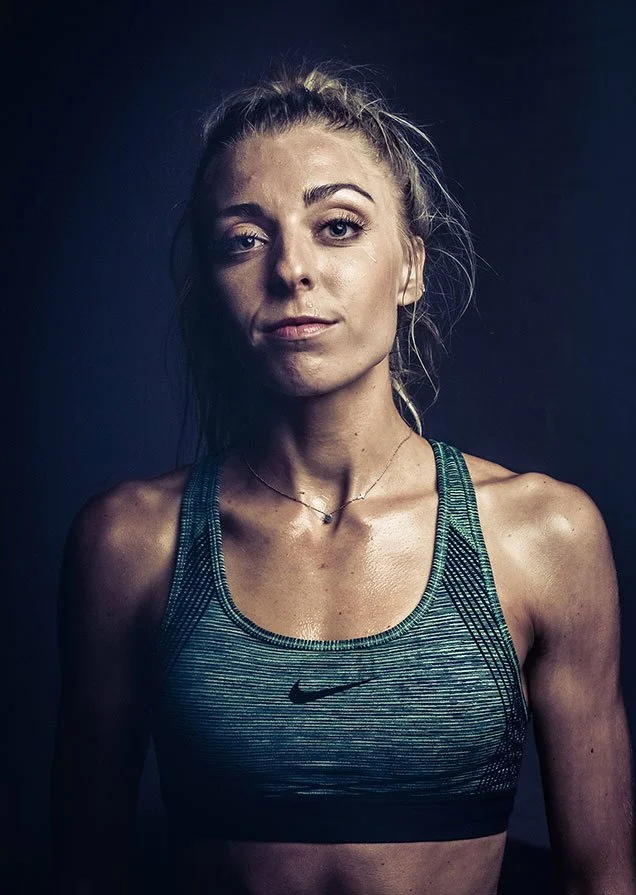
This is a personal project. Something I like to do in between paid jobs, where I look at my own needs for creativity as an artist and seek outlets to keep what photography first got me excited about.
I was looking to work with Emily and create some dark gritty imagery that spoke of her drive and determination in sculpting her physique for her upcoming competition. Her prep includes intense gym work along side reducing body fat to a minimum to aid the complete look. With this single session, I wanted to capture her as a hard working athlete, highlighting all the things she needs to reach top physical perfection in a way photographically that suited the mood. Hence, the dark shadows, sometimes silhouettes just showing her physique. There is an intentional tone right from concept.
I always love working around top athletes, seeing them working on their bodies to reach their high levels of fitness. For the photography side of things, it was nice to capture her working extremely hard, using every bit of her strength. To capture the shots of pre push, extreme exertion and then the pain of the aftermath and recovery. As a bodybuilder she needs to focus on, her shape, symmetry and size of course. I wanted to also capture her looking at her work in the mirror, confirming her gym battles are on track and she’s reaching her goals. Always nice and a privilege to be allowed to be there during the process as athletes push to their limits.
This photography and its style in approach could of course be used in photo or video. To create moody promotion output for any athlete or brands alike. If you are in the business of shaping a brand, you are part of the decision making team, wanting to create iconic imagery, give me a shout.
Athletes, the same applies. Why not tell your story…

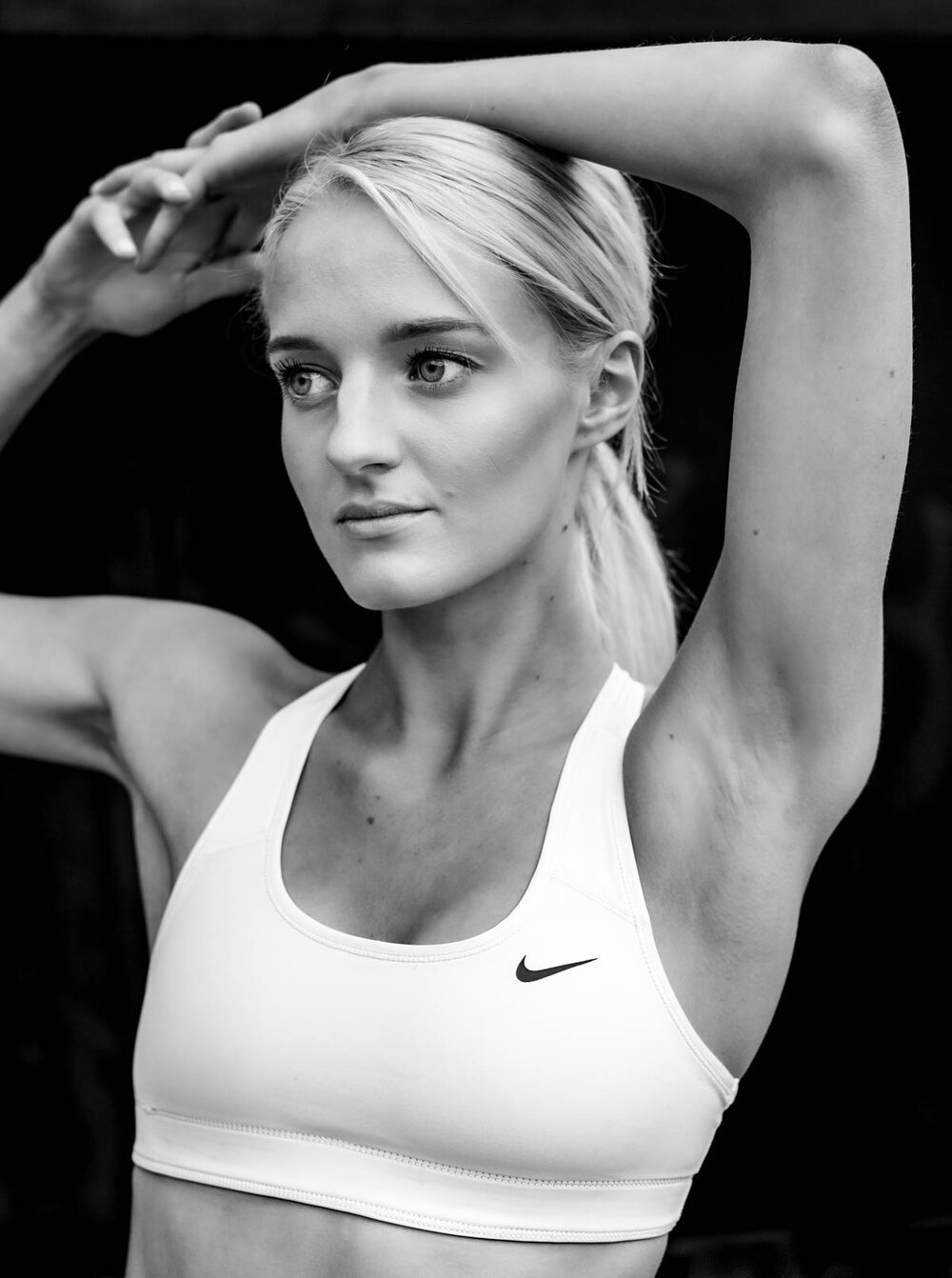
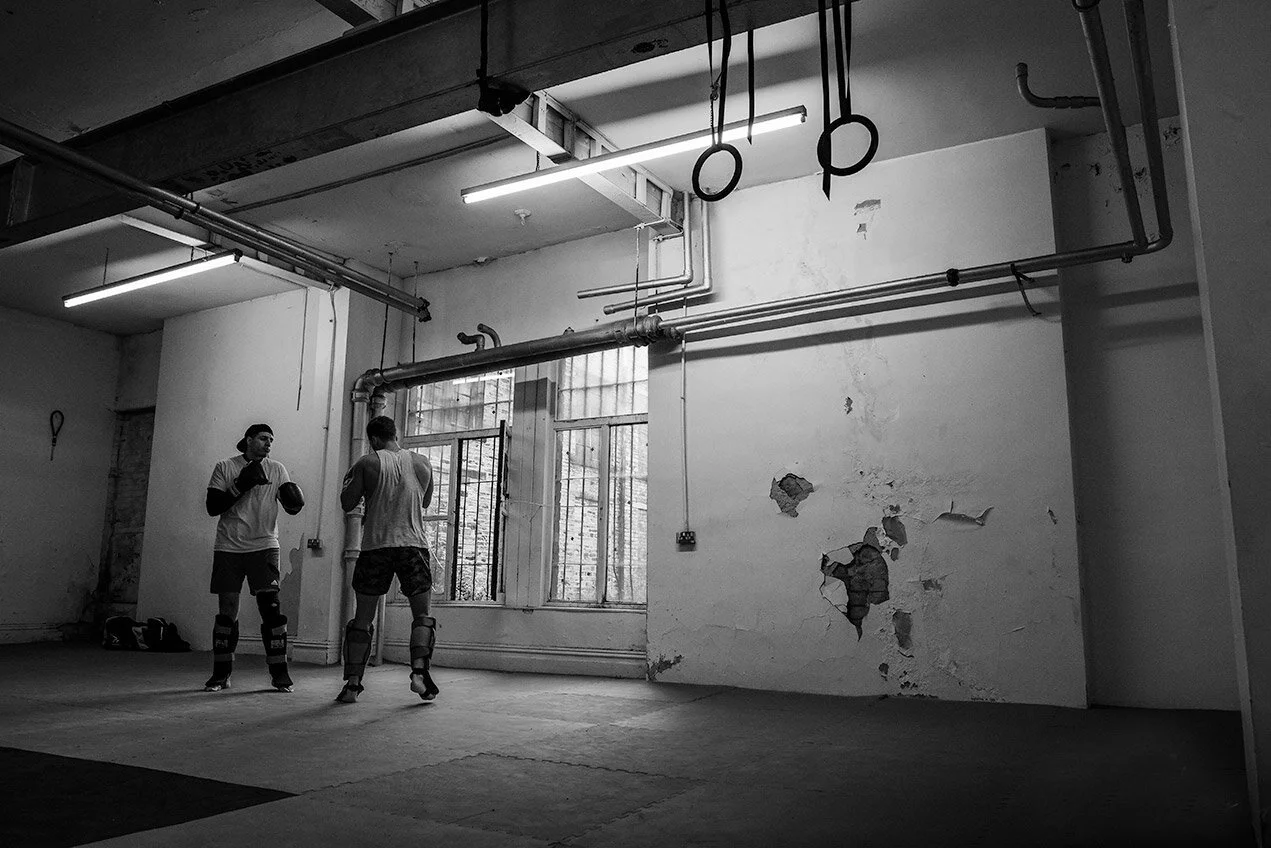
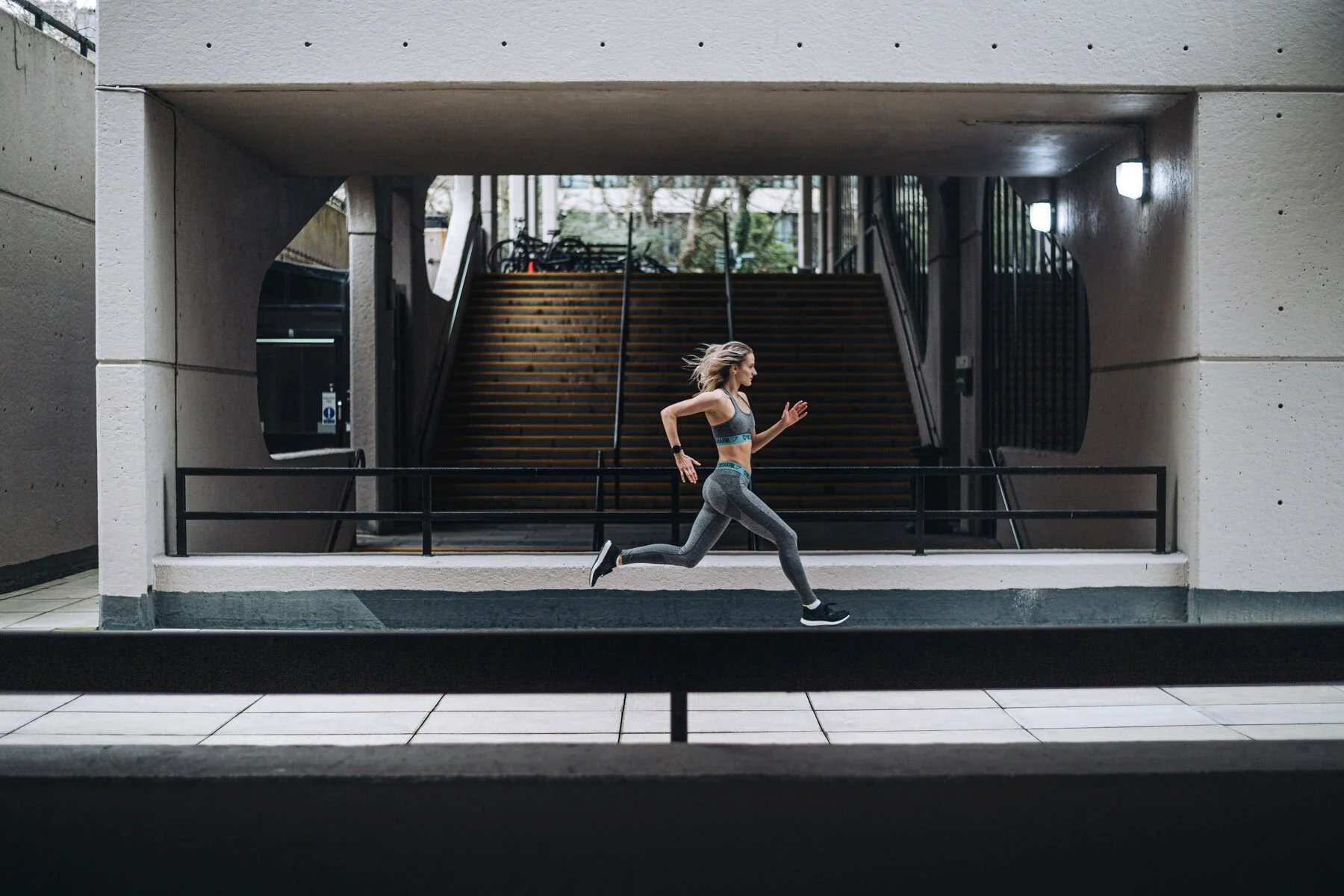
Sports photography for a personal trainer
Nice to get back into some sports photography work again, including creating some videos for Lydia to support her growing business as a personal trainer. I'm working on those videos now to appear in the coming weeks. Watch this space...
The tone of the work in this boxing gym was pretty much nailed down, I'd never been there but I knew what I wanted to create, including the mood and what shots to take. Its part of being a good photographer, thinking on your feet and being able to make things work, despite no windows. Then it was just a matter of instructing Lydia so we got the shots she needed for her business.
I love to tell stories with photography and think with sports, there are many things to say. Mostly, it's about drive and ambition and with Lydia, the short time I spent with her, it's clear to see she has those essential things to help her succeed in her new business. I wish her well!

Event photography
Last week's event photography was to capture the launch of the new offices and a new car release for Aston Martin. The crowd was full of exclusive guests to celebrate the brand and enjoy the evening's entertainment.
The secret to good event photography is to blend in, not be noticed as much as possible and find those moments that happen and people remember.
If you have an event whatever the kind, drop me a line for a quote.
My event photography services include - network events, charity events, award ceremonies, team building days, product launches, trade shows and conferences.

Executive Corporate Photography - Leeds
Executive corporate portrait photography
Creating portraits that are as strong as your business.
Your time as an executive is short, so I will assess from previous communication what is available regarding space and where we need to work. On the day of the shoot, I will bring enough equipment and the kitchen sink if need be to make sure all eventualities are taken care of. Then after a quick 30 minutes to set up a space, with lights and photography backgrounds unless the office space works better, you arrive at a designated time and we create powerful corporate photography in moments. Showing you and your brand at its best. If you have a little more time available, we can work around your office space and create multiple scenes and looks. Nothing is accidental, everything is created and crafted with precision. You will never look better!
Advice on what to wear if needed can be given freely. I know what looks visually good and if you need a quick tie straighten, makeup refresh, my attention to detail is constant. There will be no loose hairs appearing on any shot you receive from me.
Give me a call, or email from my contact page to discuss your corporate executive portrait requirements. I look forward to hearing from you.

Corporate event photography services
Event Photography
Such a great event to photograph in the highlands of Scotland for Ocean Energy Europe just before the Christmas break. Fascinating to listen and learn while capturing the leaders in this exciting industry as they presented their tech in the various rooms and swapped ideas between each other. Nice also to see the conference facilitate out of hours entertainment for all the participants during the four day event. I had a lot of fun if not a lot of hard work, racing between the rooms to capture people being inspired, hard at work or just having fun.

Choir photography
I had the best time photographing for the Tallis Consort in Barnsley last week. A request by the chap in charge of the group to create some new imagery for their upcoming new website. I've photographed a few different types of music performers now but never a choir. At these gigs you have an added bonus of listening to some very talented people as you work.
Beforehand, after a quick chat with the leader of the group, I checked out the location on the website to see if I could scope out the place and put together a list of shot ideas. On the day, these really help with keeping a focus. It's easy to get swept up by something looking cool and blitzing it as time runs away with you. A list to keep looking at that sits in your back pocket, keeps the day organised for me. The main concern with the shoot was light, or the potential lack of it. It was a large church without a lot of window light and hoped for the best with the weather, to illuminate as much as possible. Luckily on the day, we found moments where the sun shone through the clouds forming wonderful light pockets. I'm sure it was a little annoying to some in the group but I kept the group moving around the place to follow the light as and when it shone through.
You work with what you have on the day as a photographer, some compromises here, some luck there but when wonderful rays of light shine down on your subject, click, click, click...
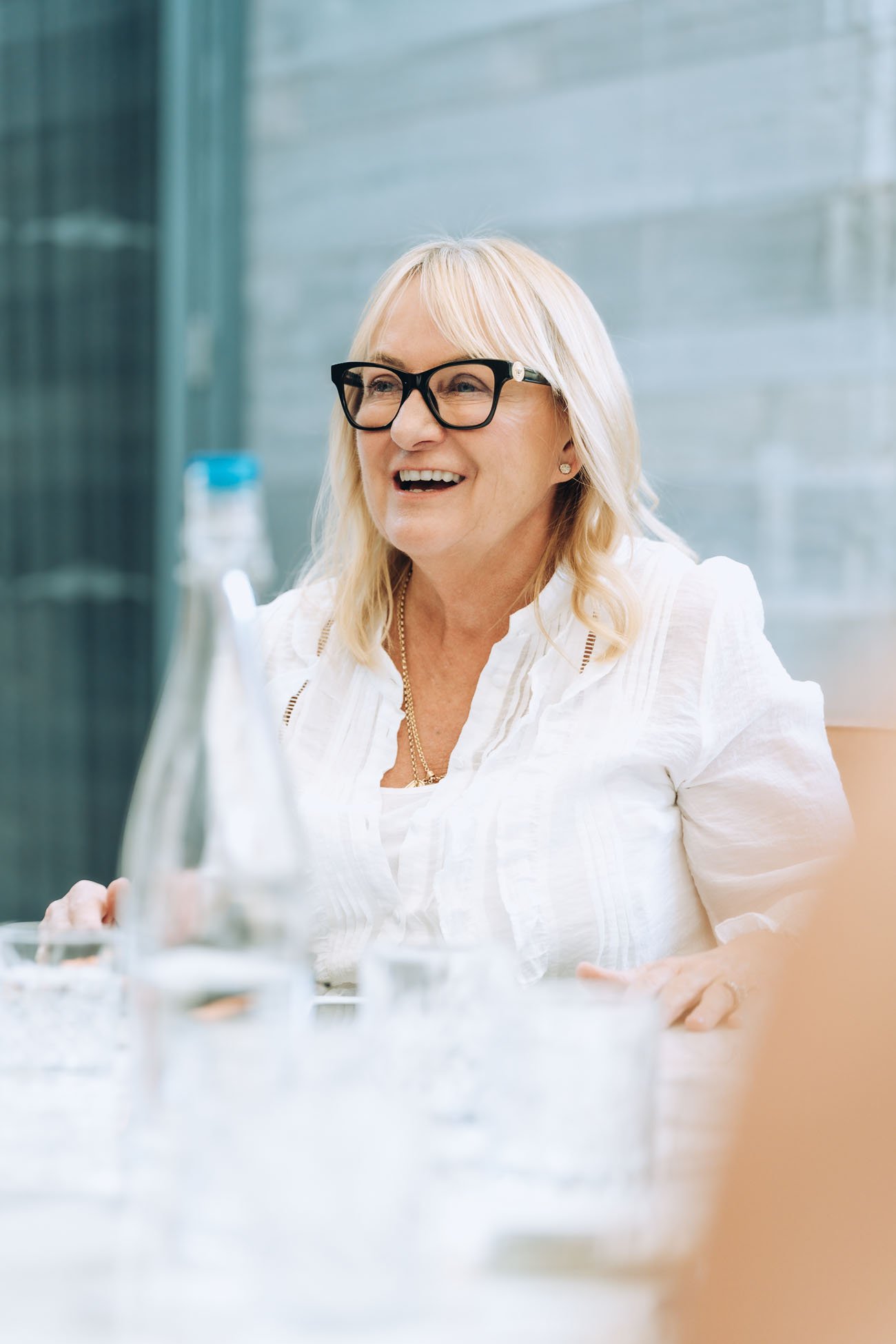
Corporate Event Photographer
Corporate Event Photographer
There are many ways to promote your organisation and team. To show the world you are top of your game and truly great at what you do. I help companies to look their best, to coach them to how to pose for corporate portraits, ensuring there are no loose hairs wandering down a shirt and ties are definitely straight, making sure you look the part. I’m also pretty good with coming up with ideas to facilitate great looking team photography, to use on your websites or share on social media. Its a very simple process after a quick call, we get together and capture photos either in your offices or if you prefer at a nice looking location. I can help you find something suited to your brand.
If you have need of some top drawer corporate team shots, or corporate portraits, drop me a line and we can discuss in literally 10 minutes how to achieve that. In a short time, we can create some great photos to help build on your impressive brand and make you stand out.

Band / music video
I’ve been a photographer for over 10 years now and within that time at various events, I always had my eye on the guys with video rigs with a little envy. As time has gone by, my interest has grown to the point where I thought to myself, its time to splash the cash and buy some equipment and give this thing that has been haunting me for years to finally begin to create and make some videos.Videography is a very different skill indeed with lots to learn technically but I love the ability to capture constant imagery rather than stills. It's completely immersive as you move around framing every moment. I really, really enjoy the discipline.
As my skills have elevated with the technical side of things along with editing, I'm really confident now to go and create videos for anything. My love is still the sports side of things for brands but I really enjoy working with musicians and making videos that, like the way I create my photography, has a little more going on within than just recording what's happening.
If you are an artist of any kind and would like to create something like the video above, give me a shout and let's discuss what's possible...

Corporate Headshots, Leeds
Improve your corporate image
Your corporate image, your brand, is an integral part of how you project your business. How others on the outside of your business see you and make judgements, good or bad. So investing in a professional photoshoot is a must to get it looking not just right, but perfect!
As a photographer I have spent years crafting my skills to be able now to speak to a new client, find out what they need pronto, set up a date in the diary and then complete the shoot. Your corporate photography shoot will have virtually no interruption to your busy day.
I have my own small studio if needed but more than happy to come visit you at your office, a location of your choice or if relevant, to your home.
The high quality corporate headshot you will receive will be a bold statement showing who you are and how you go about your business. Your competitors will be envious.

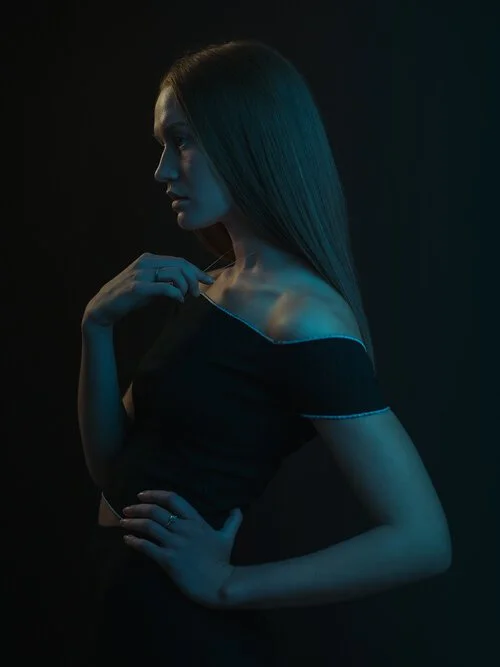
Musician portrait
I had a great time creating these Actor Headshots with Phoebe last week in my garden studio. A fairly routine request for some Headshots to use to send to casting agents. We successfully created those along with a few little more creative looks I wanted to add to the session.
When creating Actor Headshots there are some fundamentals regarding the photography. First one of course, the photograph must look like you the actor. I'm sure there's a whole lot of disappointment when it comes to meeting an agent and the shot submitted doesn't quite fit with the person sitting on the chair. It needs to give a clear idea of who this person is, their face shape from multiple angles, showing any piercings, tattoos etc. Also to show what your hair is like, tied up and down (if you have any) along with a longer shot so they can see your body shape.
Let’s create something really cool!
I’m a reliable experienced photographer with a real passion to create photography that works for your needs whether is a brand sports shoot, fashion shoot, fitness shoot, corporate portraits, personal portraits, lifestyle photography, product photography or anything else. Delivering above and beyond all expectations.
Click through to send me a message or call, whatever works for you.